First salary money plan in India: a simple beginner guide

Updated 1 Jun 2026 · 7 min read
Contents
Learn how to split your first salary across bills, savings, family support, learning, and small investing steps without product pressure.
Your first salary should feel exciting, not confusing. This India-focused salary plan helps you give every rupee a simple job before lifestyle spending takes over.
Key takeaways
- Start with a clean split before you buy anything expensive.
- Build a small emergency buffer before chasing high returns.
- Automate savings on salary day so discipline is easier.
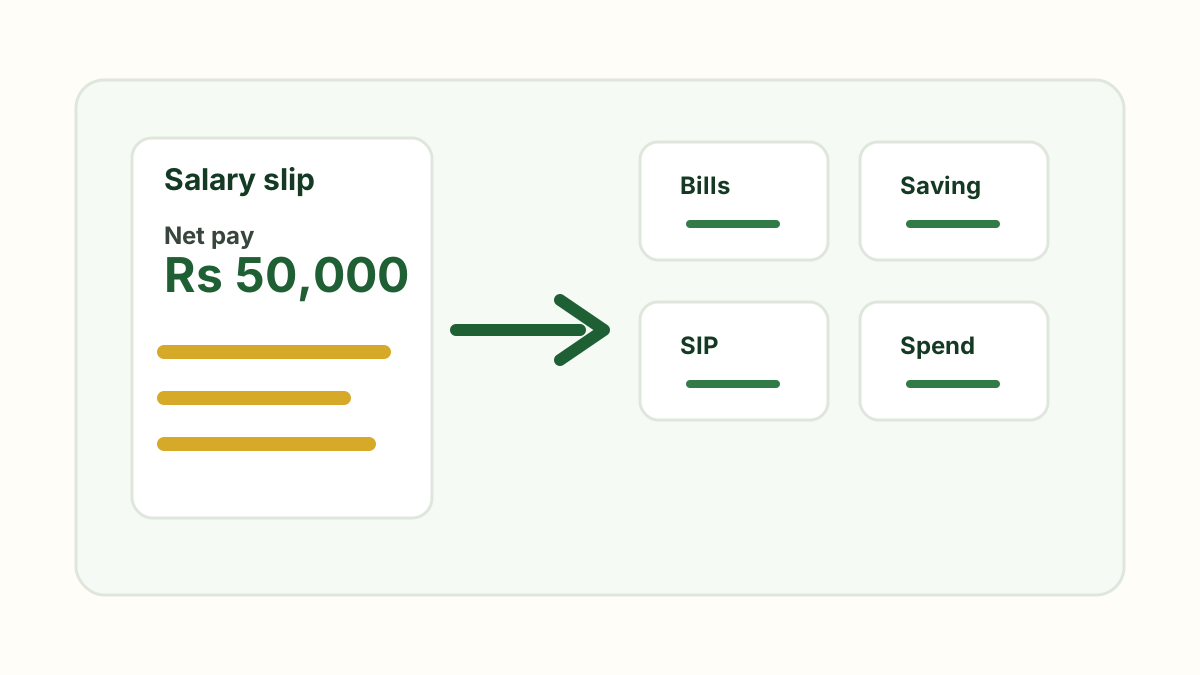
Start with the salary-day split
The easiest money system is the one you can repeat every month. On salary day, separate fixed expenses, savings, family commitments, learning money, and guilt-free spending before the account balance starts looking bigger than it really is.
For a beginner, the exact percentage matters less than consistency. Even a small salary-day savings habit is powerful when it happens before casual spending.
- Keep rent, food, commute, and bills in one bucket.
- Move emergency savings to a separate account immediately.
- Keep a small guilt-free amount so the plan feels human.
Do this transfer on salary day. Waiting until month-end usually means saving whatever is left, and for most beginners that becomes too little.
Build the first emergency fund
Before you think about advanced investing, create a starter emergency fund. A first target of Rs. 10,000 to Rs. 25,000 can protect you from credit-card debt when a small surprise expense appears.
After that, slowly work toward three to six months of essential expenses. This is not exciting content, but it is what keeps your financial life stable.
Invest only after the basics are clear
A SIP can be a useful investing habit, but it should not replace basic protection. Make sure you understand your goals, risk level, time horizon, and product charges before starting.
PaisaSeed will always treat investing as education first. We do not publish buy or sell calls, and we do not push products just because they are popular.
Review and sources Written by PaisaSeed Editorial, reviewed by PaisaSeed Editorial Review, and referenced from official investor education sources. View
Written by
PaisaSeed Editorial
Personal finance education team
Creates beginner-friendly personal finance guides for readers in India, with a focus on clarity, risk awareness, and practical money decisions.
Reviewed by
PaisaSeed Editorial Review
Content review desk
Checks articles for educational boundaries, clear risk language, source alignment, and reader safety before publishing.
Reference links
- Investor Charter - SEBI Investor
- Financial Literacy Guide - Reserve Bank of India
- Salaried Individuals tax guidance - Income Tax Department
- SIP and mutual fund investor education - AMFI
FAQs
Is this article personal financial advice?
No. PaisaSeed articles are educational and do not consider your income, liabilities, family responsibilities, tax position, or risk profile.
What should I do before acting on this information?
Use the article to understand the concept, then verify current rules, compare options, and speak with a qualified professional when the decision affects tax, insurance, loans, or investments.
Topic requests
Want this explained with your salary or goal?
Send the next topic you want PaisaSeed to cover. We use reader questions to decide upcoming beginner guides and calculators.