Emergency fund in India: how much should beginners save?

Updated 3 Jun 2026 · 6 min read
Contents
A beginner guide to emergency fund targets, where to keep emergency savings, and how salaried readers can build a safety buffer.
An emergency fund is boring in the best possible way. It gives you breathing room when income, health, family, or job situations become unpredictable.
Key takeaways
- A starter fund is useful even before your full fund is ready.
- Keep emergency money liquid and boring.
- Do not mix emergency funds with investment goals.
Use essential expenses as the base
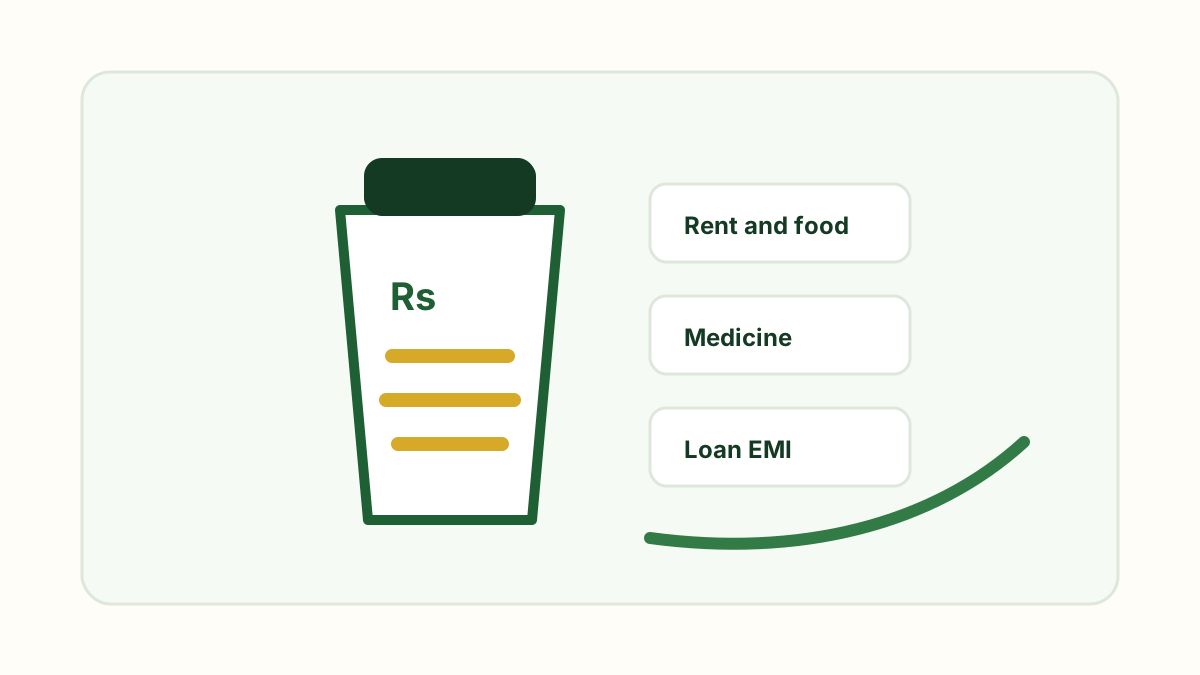
Your emergency fund should be based on essential monthly expenses, not total lifestyle spending. Include rent, groceries, utilities, insurance premiums, transport, medicines, and loan EMIs.
If your monthly essentials are Rs. 30,000, a three-month emergency fund is Rs. 90,000 and a six-month fund is Rs. 1,80,000.
Keep the money easy to access
Emergency money should not depend on market timing. Savings accounts, sweep-in fixed deposits, and short fixed deposits are easier to understand for beginners.
The goal is not maximum return. The goal is access, safety, and peace of mind.
Review and sources Written by PaisaSeed Editorial, reviewed by PaisaSeed Editorial Review, and referenced from official investor education sources. View
Written by
PaisaSeed Editorial
Personal finance education team
Creates beginner-friendly personal finance guides for readers in India, with a focus on clarity, risk awareness, and practical money decisions.
Reviewed by
PaisaSeed Editorial Review
Content review desk
Checks articles for educational boundaries, clear risk language, source alignment, and reader safety before publishing.
Reference links
- Investor Charter - SEBI Investor
- Financial Literacy Guide - Reserve Bank of India
- Salaried Individuals tax guidance - Income Tax Department
- SIP and mutual fund investor education - AMFI
FAQs
Is this article personal financial advice?
No. PaisaSeed articles are educational and do not consider your income, liabilities, family responsibilities, tax position, or risk profile.
What should I do before acting on this information?
Use the article to understand the concept, then verify current rules, compare options, and speak with a qualified professional when the decision affects tax, insurance, loans, or investments.
Topic requests
Want this explained with your salary or goal?
Send the next topic you want PaisaSeed to cover. We use reader questions to decide upcoming beginner guides and calculators.